History of the TRS-80 Computer SeriesBy C. JonesAlthough the Tandy Corporation is no longer at the forefront of computing and many people may have never seen a Radio Shack store, the company's TRS-80 (TRS standing for "Tandy Radio Shack") line of computers was a key player in the shift of computing from the domain of specialists to the public at large in the late 1970s and 1980s. The original TRS-80, later renamed the TRS-80 Model I, was launched in 1977. While not the first pre-assembled computer, the Model I was an early entrant to the scene, offering a combination of acceptable performance and a competitive price. It looked much like modern computers, albeit less refined and lacking notable features like a mouse. Aside from being an affordable tool for programmers, familiar software like word processors, spreadsheet managers, and even games could run on the Model I. At the time, the company was unsure of how attractive the computer would be to consumers. Consequently, they produced slightly more units than Radio Shack had stores so that they'd have internal usage as a fallback plan. Issues like keyboard failure and a lack of support for lowercase letters did not keep it from outshining competitors like the Apple II and Altair 8800. From there, the TRS-80 line diverged into business and personal uses. The TRS-80 Model II (1979) came with higher performance and a price tag that matched. The Model III returned as the true successor to the Model I in 1980, addressing issues seen in Model I and delivering overall hardware upgrades. The Model 4 eventually replaced it, while Model II was succeeded by models 12, 16, 16B and 6000. The TRS-80 line also included computers that were notably distinct from the core models but shared their branding. Several of these were smaller, more portable devices. The Model 100 (1983), originally produced by Kyocera as the Kyotronic 85, could be considered an ancestor of modern laptops. While it didn't shatter sales records, the positive reviews it earned from journalists pushed Tandy to create multiple successors: the Model 200 (1984), Model 600 (1985) and Model 102 (1986).
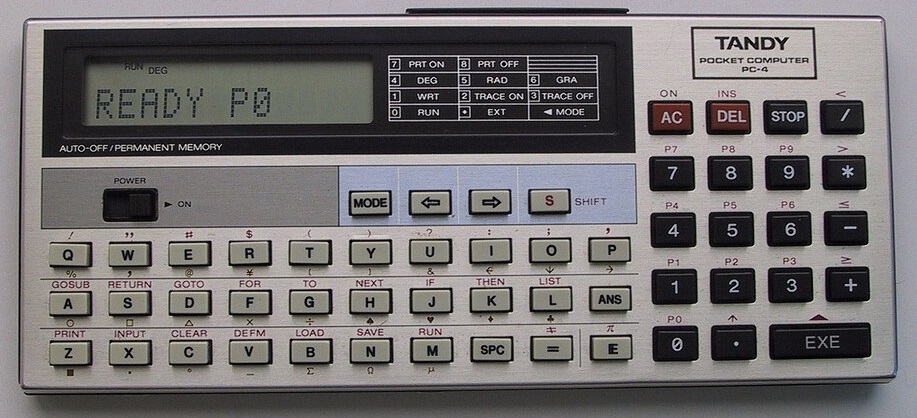
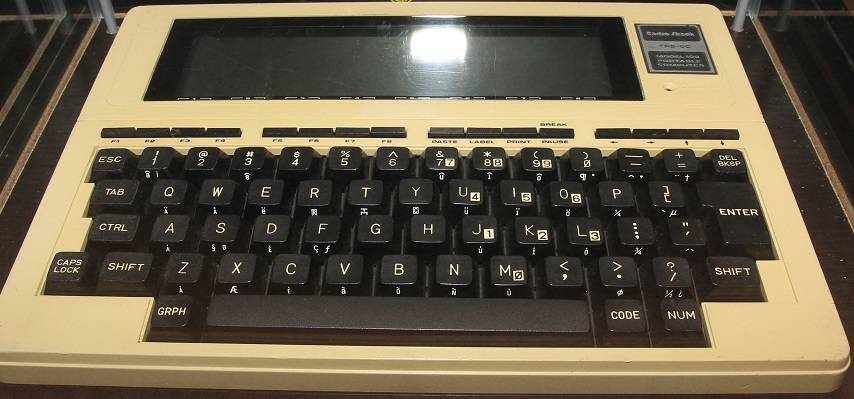 The MC-10 microcomputer (also released in 1983) was a short-lived model aimed at newcomers to computing, but it did not meet the same success as the Model 100. The MC-10 only came with four kilobytes of memory; it was comparable to other low-end machines of its time (like the Mattel Aquarius and Timex/Sinclair 1000). Tandy's Pocket Computer line, numbered PC-1 to PC-8, was a series of programmable calculators from Sharp and Casio that were brought under the Tandy brand. Notably, the PC-1 was Sharp's PC-1211, the first "pocket computer" in production.
 The Color Computer series was released around the same time as the Model III. Its hardware was distinctly different from the main TRS-80 line despite a similar intended customer base. Two more variations on the Color Computer were released over the course of the '80s, but the rise of IBM's PC pushed Tandy to move away from its TRS-80 products and focus on the PC-compatible Tandy 1000 and its successors: the 2000, 3000 and 2500. This was not enough to keep Tandy's computer manufacturing division afloat, and the company sold this part of its business in 1993.
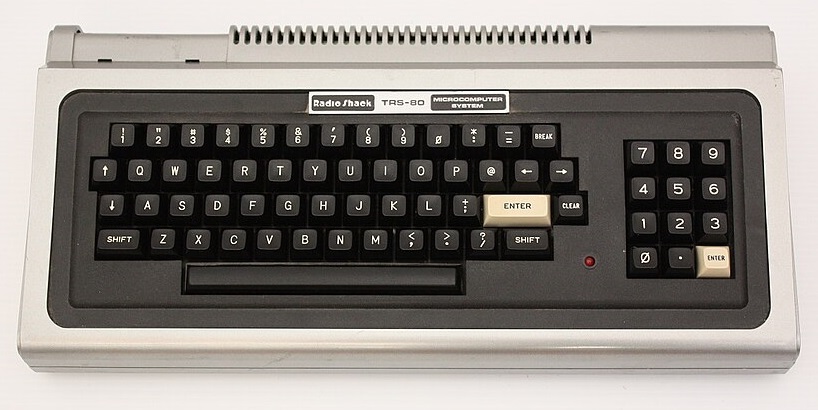 Early TRS-80 keyboard Brought to you by... Quality Craftsman Slotted and Phillips-Head Screwdriver Set |
MENUHome |