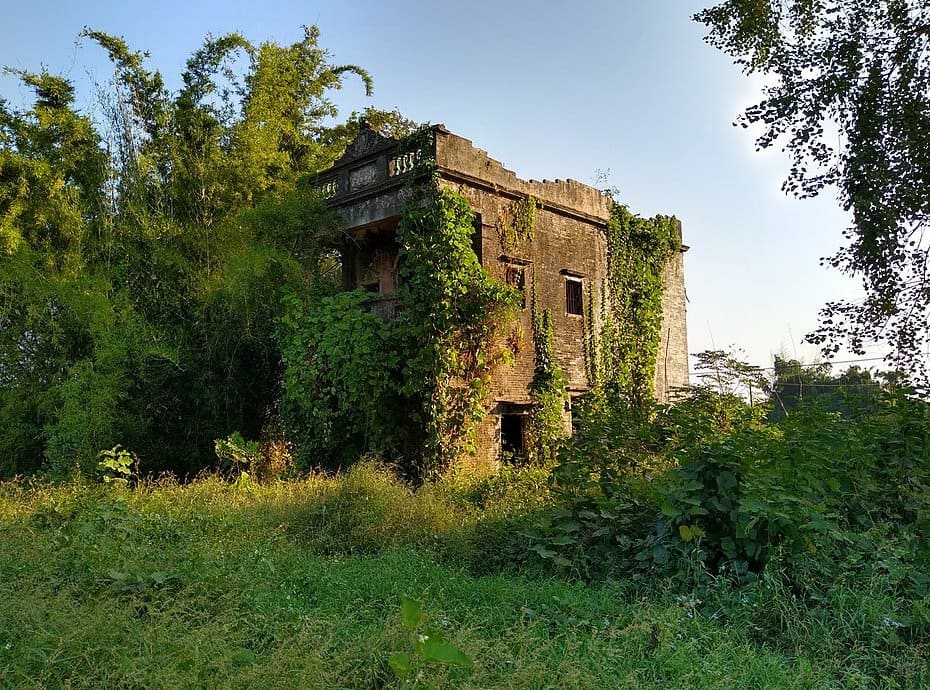
A Closer Look at Time CapsulesBy R. DavisA time capsule allows its creators to showcase items that represent their era to people who will live decades or hundreds of years later. Today's time capsules can also be for people living now. Here we explore the modern time capsule in America and various opinions on what a time capsule can be. The discussion ends with an explanation of how a time capsule can even be billions of years old. First Modern Time CapsuleThe requirements for a traditional time capsule often involve putting items in a container, sealing the container and providing a date on which to open it. The Century Safe Collection is frequently credited with being the first modern time capsule in America. Anna Diehm created it for the Centennial Exposition of 1876 in Philadelphia. One-hundred years later, President Gerald Ford opened it at the U.S. Bicentennial Exhibition. The items included Matthew Brady photos of politicians, a book on temperance and an assortment of signatures.Westinghouse Time CapsuleThe Westinghouse Electric and Manufacturing Company buried a time capsule in Queens, New York. Its nearly indestructible container is set to be opened in the year 6939. If humanity survives that long, observers can expect to find a letter from Albert Einstein, microfilm and newsreels, a pack of Camel cigarettes, seeds and other items.Intentional and Accidental Time CapsulesWhat may be called intentional time capsules do not require a container or a date for opening. A scrapbook and a collection of old magazines are examples of this kind of time capsule. Some time capsules may be called accidental because they are surprises, or they stimulate a deeper investigation into their history. A 1990s computer discovered in a closet and an abandoned building are examples of accidental time capsules.
 Colonial Williamsburg Time CapsuleThe wells of Colonial Williamsburg are hundreds of years old. As time capsules, they teach us about the Williamsburg era (1699-1780). By studying the site, modern-day archeologists identified the minerals and substances in the Earth during colonial times. They also made conclusions about the well-digging process. And based on the objects they retrieved from the wells, they discovered what items people used during this time period.Archean Cratons as Time CapsulesThe Earth's continental crust formed during the Archean Era (2.5 billion years ago or later). Cratons, which are part of the crust, exist today on the continents. In the U.S., scientists have found them in Wyoming. From their studies of craton sites, they learn about the formation of the continents, how the Earth was formed and its place in the solar system.The elements of time capsules may be handmade, manufactured or natural. No matter how the substance of them is created, they educate us about the past.
References"The Cabinet Time Capsule." Cabinet Magazine. Spring 2004.O'Connell, Pamela Licalzi. "Time In a Bottle; As the Millennium Approaches, Gadgets Are Piled Into Capsules As a Present for the Future." New York Times, April 22, 1999. Matuozzi, Robert N. "Time Capsules: A Cultural History." Libraries and Culture. Spring 2004. "10 Oldest Time Capsules." Oldest.org. Published March 25, 2025. Hume, Ivor Noel. "The Wells of Williamsburg: Colonial Time Capsules." Colonial Williamsburg Foundation. 1969. "Buried Museums: A History of Time Capsules." Cayuga Museum of History & Art website.
 Brought to you by... Create your own website for under $15! |
MENUHome |