Why We Don't Need AIThe Hidden Cost of Artificial Intelligence: When Progress Comes at a PriceBy C. AndersonSeptember 2025 Artificial intelligence has revolutionized how we write, create and interact—but not all change is good. From dulling the human touch in creative fields to draining our resources and straining power systems, many question whether AI’s rise delivers sustainable value. In creative domains like writing, art and music, critics argue that a subtle degradation is taking place. When artwork is algorithmically generated, it loses its deeply human capacity to connect, evoking concern in an already lonely age. The explosion of AI-generated imagery has also pushed human-made art to the sidelines: AI floods the market with content while human creators struggle for visibility. In writing, the increasing reliance on AI tools risks eroding original expression and nuance, chipping away at authenticity and creativity. On the service front, customer interactions — once rooted in empathy and understanding — are increasingly mediated by automatic systems. Users often lament that AI-driven customer service feels cold and formulaic, lacking flexibility and the intuitive responses that come naturally to humans. The result? Frustrated customers and a sense that we’re conversing with machines rather than helpful representatives. Beyond creative and interpersonal impacts, AI’s environmental footprint raises significant alarms. Training and operating large AI models consumes vast amounts of electricity — data centers worldwide could be drawing nearly half of their power solely for AI purposes by the end of 2025, according to The Guardian.
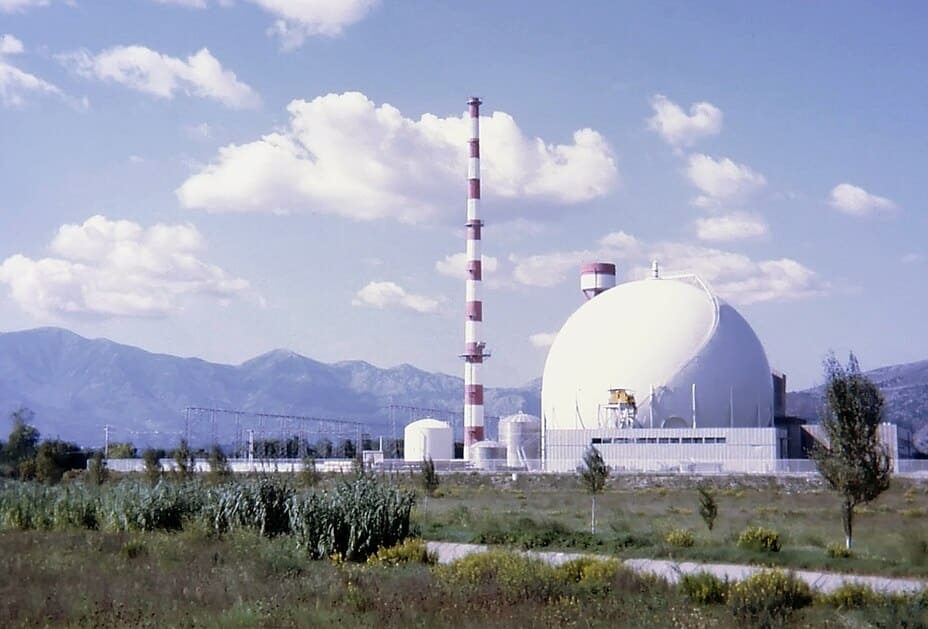 Already, data centers consume hundreds of terawatt-hours annually — on par with mid-sized countries — and the load is rising fast. In the U.S., they accounted for over 4 percent of total electricity usage in 2023. Some experts believe this percentage will double within a few years. This surge is not eco-friendly: utilities, unable to meet new demand, are even restarting coal-fired plants, according to the Federation of American Scientists. The same goes for nuclear power stations. Water, too, becomes collateral damage. The process of cooling AI hardware can demand hundreds of gallons per day in each center, while every AI query may indirectly consume a half-liter of water. Water and electricity prices rise when demand grows. As AI infrastructure spreads, utilities are scrambling to boost capacity, which ultimately translates into higher costs for consumers. At the same time, net-zero climate goals appear increasingly fragile. While artificial intelligence may have some legitimate uses, its downsides — creativity diluted, shallow interactions, job losses, environmental stress and rising costs — are hard to ignore. As AI expands, we must also address these consequences, demanding transparency, efficiency and accountability in every layer of its development and deployment. Most importantly, artificial intelligence can never overcome and replace the human spark of creativity, heart and soul.
 Brought to you by... Create your own website for under $15! |
MENUHome |